Peter Kalverla·Sep 5, 2024
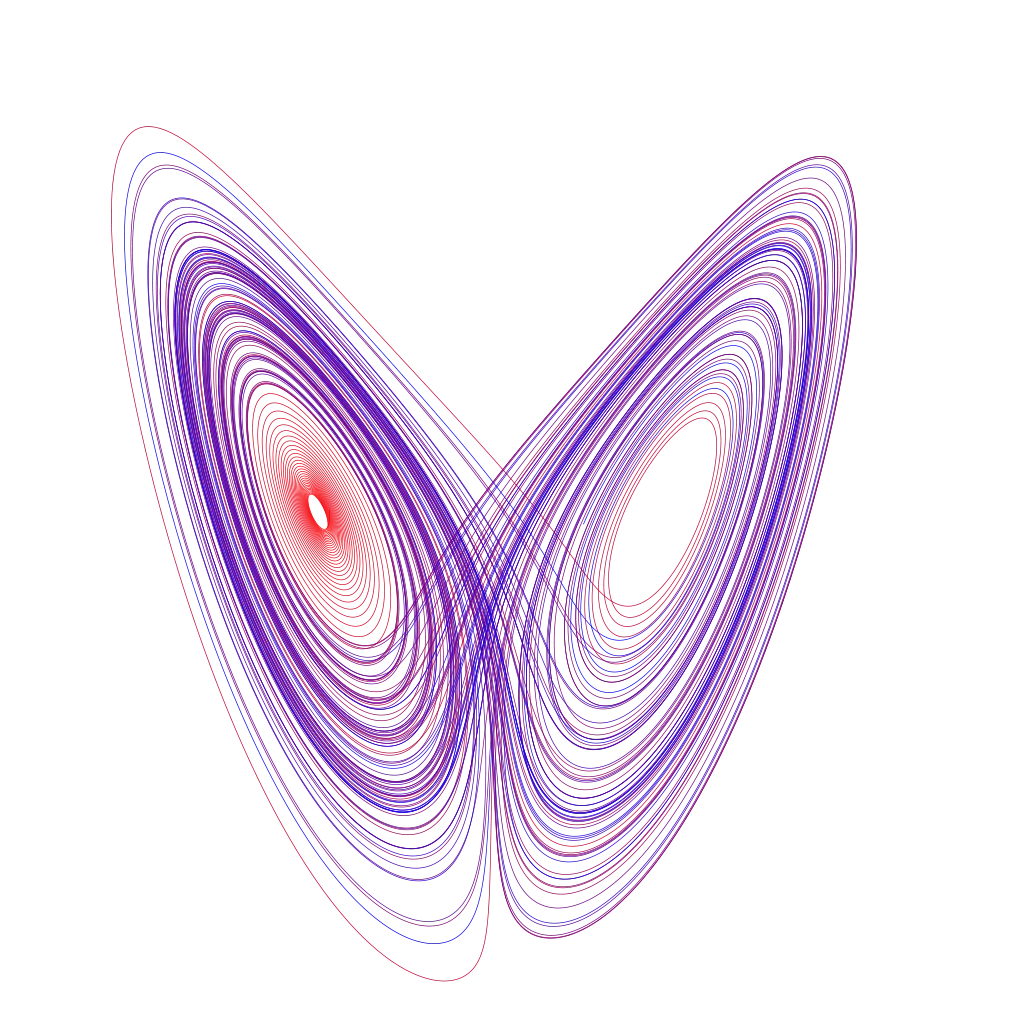
(Un)wieldy workflows with WRF

Nicolas Renaud·Dec 6, 2023
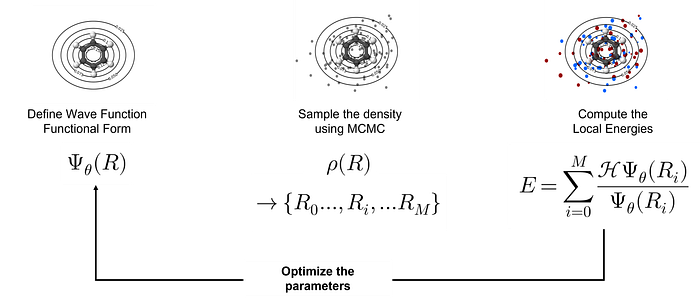
Machine Learning Machinery for Quantum Chemistry
Abel Soares Siqueira·Oct 25, 2023
The Utopic Git History
eScience
eScience Editorial Team·Jul 10, 2023
Summer is here, and so are large language models.

Aron·Apr 13, 2023
Molecular Simulations using Machine Learning, Part 2
Pablo Rodríguez-Sánchez·Jan 26, 2023
An applied mathematician meets software engineering
eScience Editorial Team·Oct 27, 2022
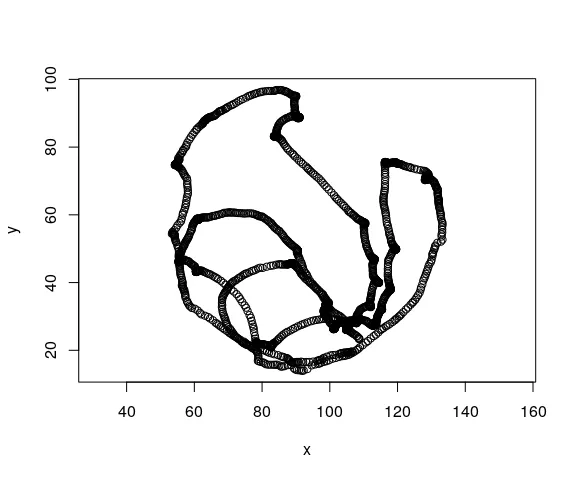
How to manage your software
eScience Editorial Team·Aug 2, 2022
Our favourite Python tools for research

eScience Editorial Team·Jun 13, 2022
Studying political symbolism in Turkish TV dramas with machine learning
eScience
eScience Editorial Team·Mar 11, 2022
Parsing Hebrew and Syriac morphology using Deep Learning

Gijs van den Oord·Dec 14, 2021
The new IPCC assessment report: stakes have been raised

Felipe·Apr 14, 2021
Using Rust for Scientific Numerical applications: Learning from Past Experiences

Felipe·Feb 22, 2021
A Quick and Dirty Pytest Cookbook
eScience
eScience Editorial Team·Oct 9, 2020
Help! My C++ web app is not responding
Pablo Rodríguez-Sánchez·Aug 17, 2020
Parallel R in a nutshell
Netherlands eScience Center·Apr 2, 2020
Can we teach AI’s speech by simulating young children’s ability to learn spoken language?

Johan Hidding·Jan 16, 2020
Parallel programming in Python

Ben van Werkhoven·Dec 2, 2019
FAIR Software at the 2019 eScience Symposium
Johan Hidding·Jun 3, 2019
breaking the barrier fluid simulations parallel-in-time.

Jurriaan H. Spaaks·Dec 20, 2018
portable hpc workflows with snakemake and xenon

Patrick Bos·Aug 6, 2018
floating (point) butterfly effect