Stijn Heldens·Jul 9, 2026
How to Maximize your Science per Watt: Energy-Efficient GPU Computing at ISC 2026
Bart Schilperoort·Jan 15, 2026
Use Julia to write code that runs on any GPU
Netherlands eScience Center·Nov 6, 2025
From PhD Student to Auto-Tuning GPU Expert. Meet Floris-Jan.
Flavio Hafner·May 6, 2025
Benchmarking LLM fine-tuning on different HPC systems
Carsten Schnober·Jan 28, 2025
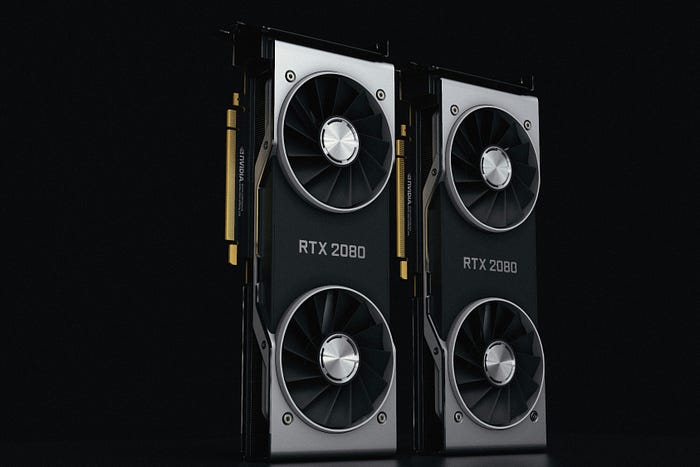
A Different Game

Alessio Sclocco·Jan 16, 2024
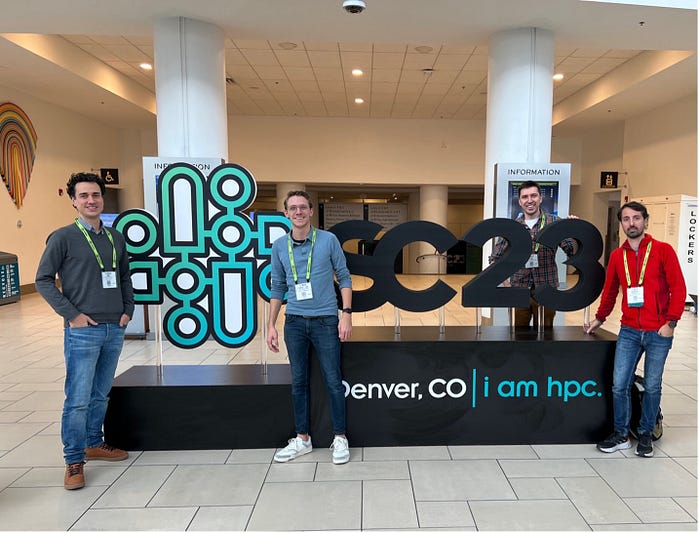
Talking about energy-efficient GPU computing at SC23
Carlos Martinez-Ortiz·Oct 26, 2023
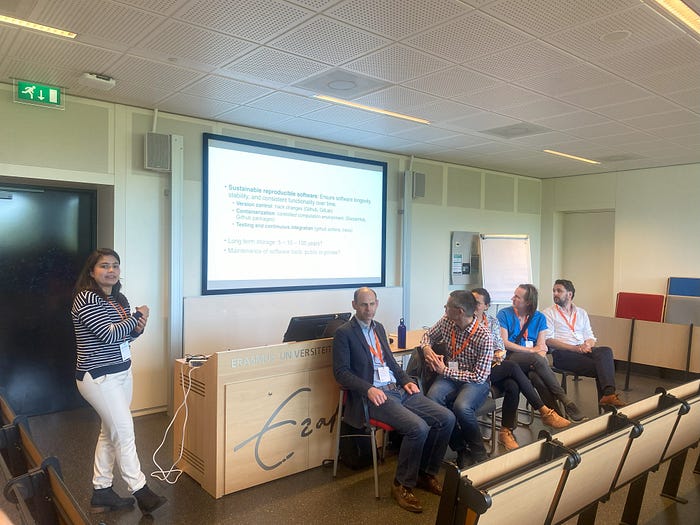
Open Science Festival: What infrastructures do we need to preserve research software?
eScience Editorial Team·Aug 16, 2022
Our favourite high performance programming tools

Ben van Werkhoven·Nov 25, 2021
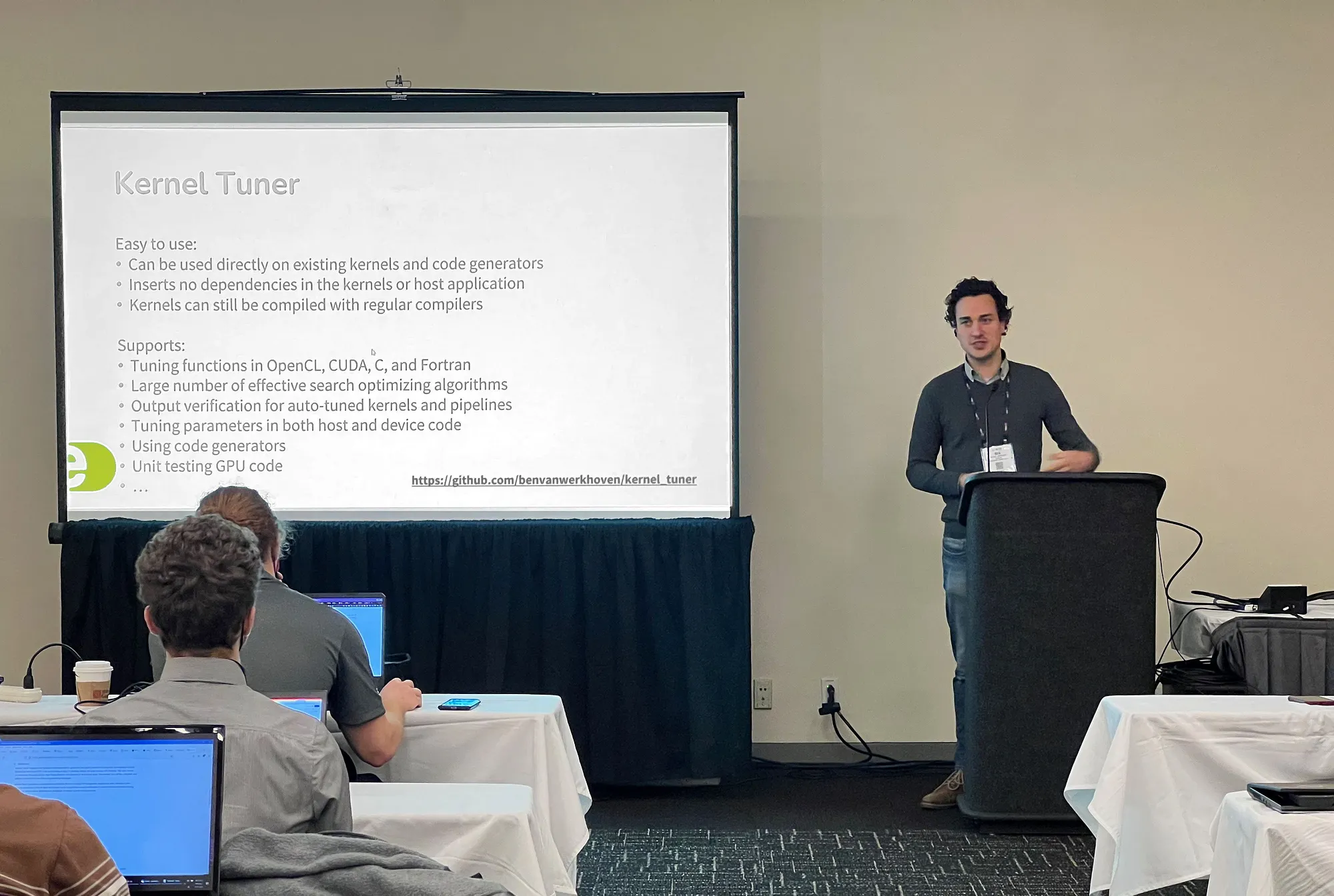
Kernel Tuner tutorial at Supercomputing 2021
Felipe·Apr 14, 2021
Using Rust for Scientific Numerical applications: Learning from Past Experiences

Netherlands eScience Center·Apr 2, 2020
Can we teach AI’s speech by simulating young children’s ability to learn spoken language?

Florian Huber·Feb 11, 2020
Workshop Machine Learning for Research 2020
eScience
Florian Huber·Feb 11, 2020
Workshop Machine Learning for Research 2020 … did it work?
eScience
Florian Huber·Feb 7, 2020
Monopolizing AI
eScience
Sonja Georgievska·Jun 12, 2019
explainable ai exit or infinite loop

Johan Hidding·Jun 3, 2019
breaking the barrier fluid simulations parallel-in-time.
Atze van der Ploeg·Aug 14, 2018
why use an fpga instead of a cpu or gpu
Faruk Diblen·Jan 16, 2018
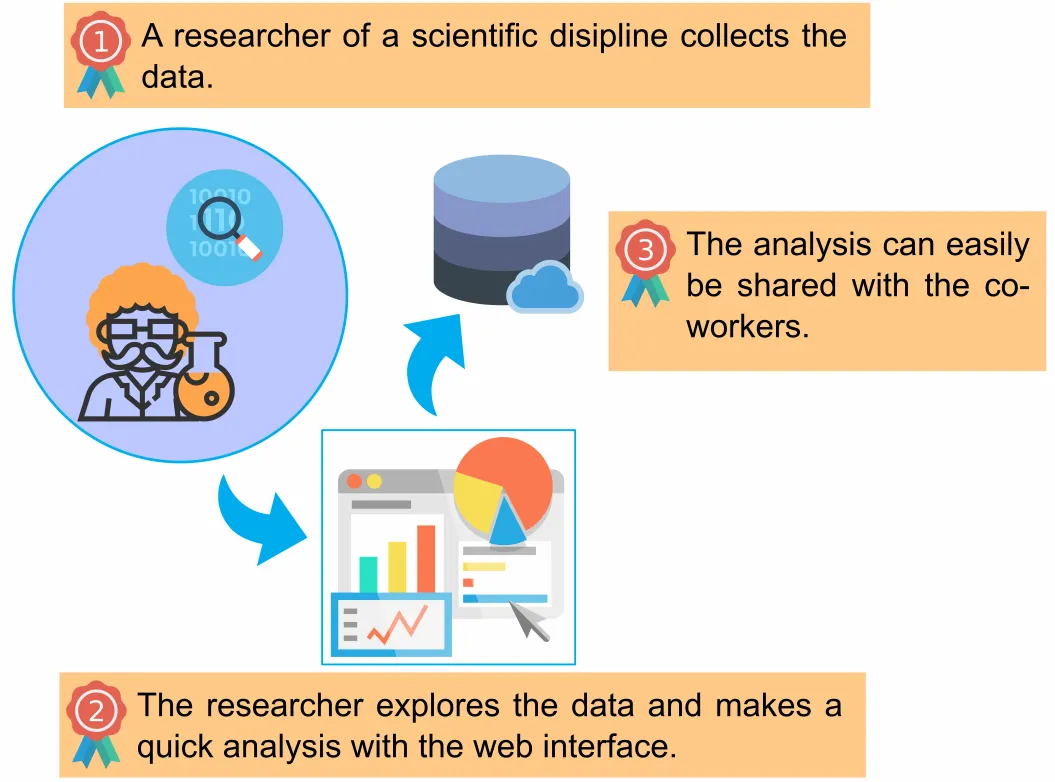
spot visual scientific data analytics made easy
eScience Editorial Team·Jul 17, 2017
an ambition for the global astronomical community