Faruk Diblen·Apr 23, 2026
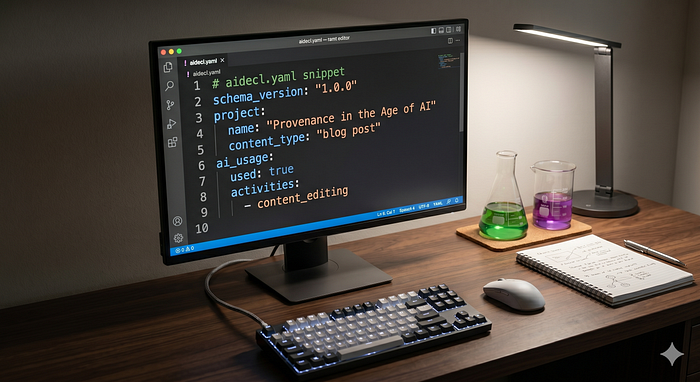
Provenance in the age of AI: Why we need AI Declarations for more transparency
Jessie Gonzalez·Feb 26, 2026
Making LLMs Work for Science: How AI-Powered Storytelling Helps Researchers Communicate Their Software
eScience Editorial Team·Feb 11, 2026
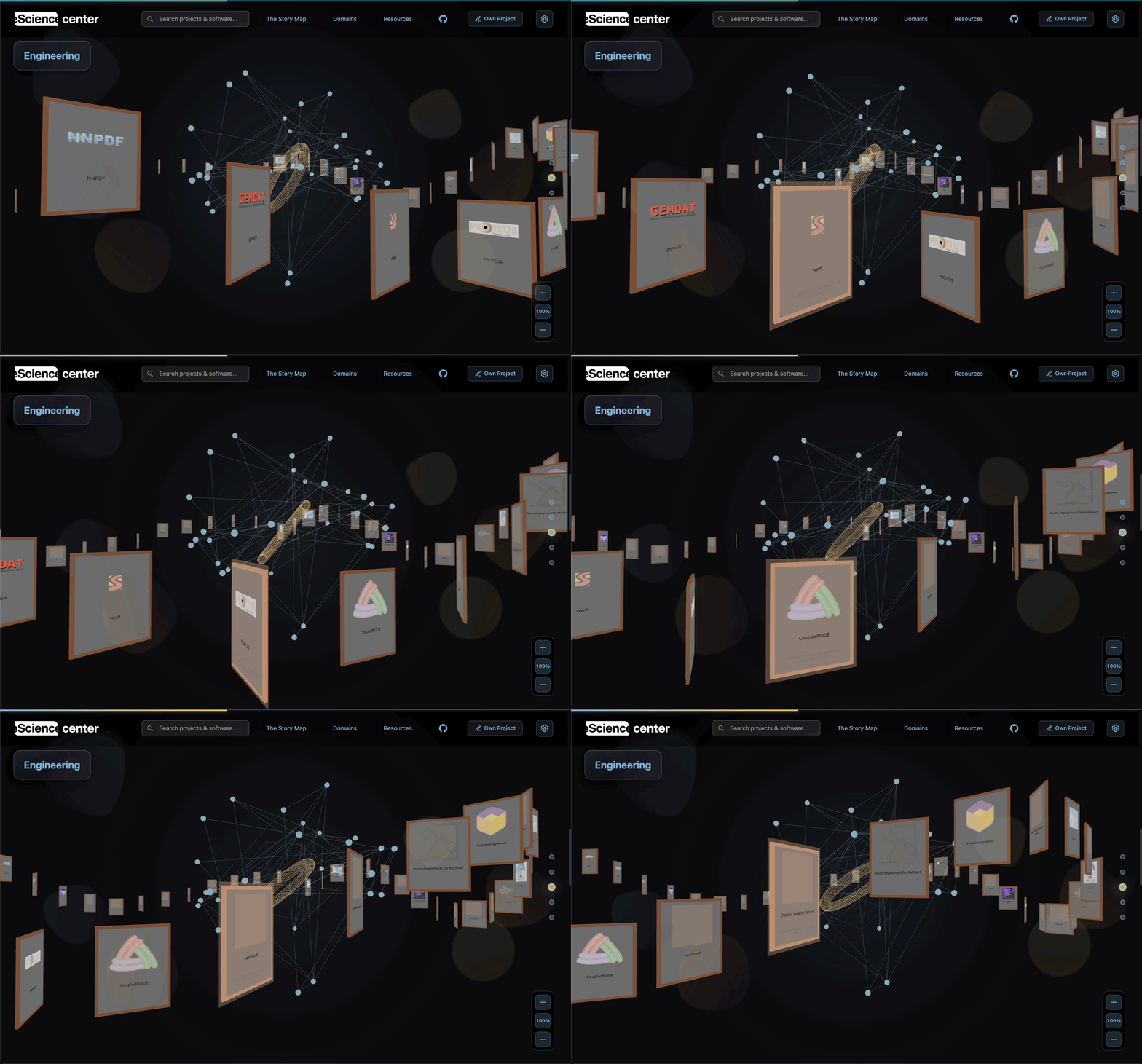
Enabling best practices for sustainable software in the Natural & Engineering sciences (SS-NES)
eScience Editorial Team·Dec 9, 2025
Strengthening Research Software Management in Dutch UMCs: Highlights from the Second DReaMS Community Meetup
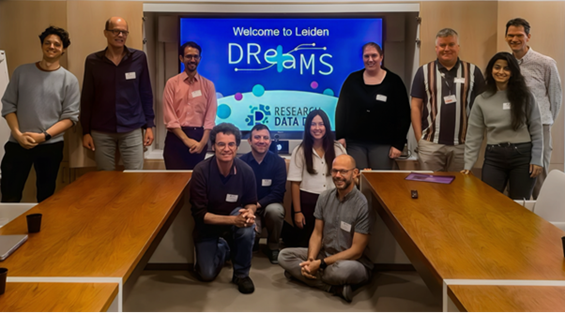
eScience Editorial Team·Dec 6, 2024
How much research output is really open, and how can we tell?
Deekshitha·Jul 26, 2024
Decoding Research Software Impact: A Collaborative Journey
eScience Editorial Team·Mar 19, 2024
The FAIR for Research Software Principles after two years: an adoption update
eScience Editorial Team·Nov 2, 2023
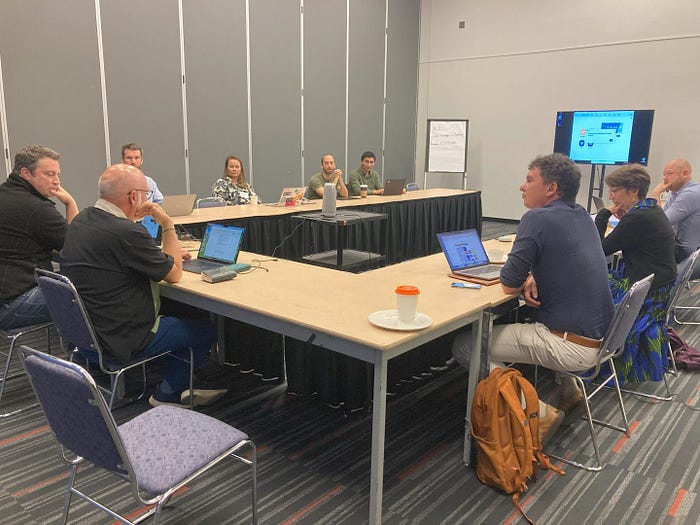
Investing in people: anticipating the future of research software
Faruk Diblen·Dec 3, 2021
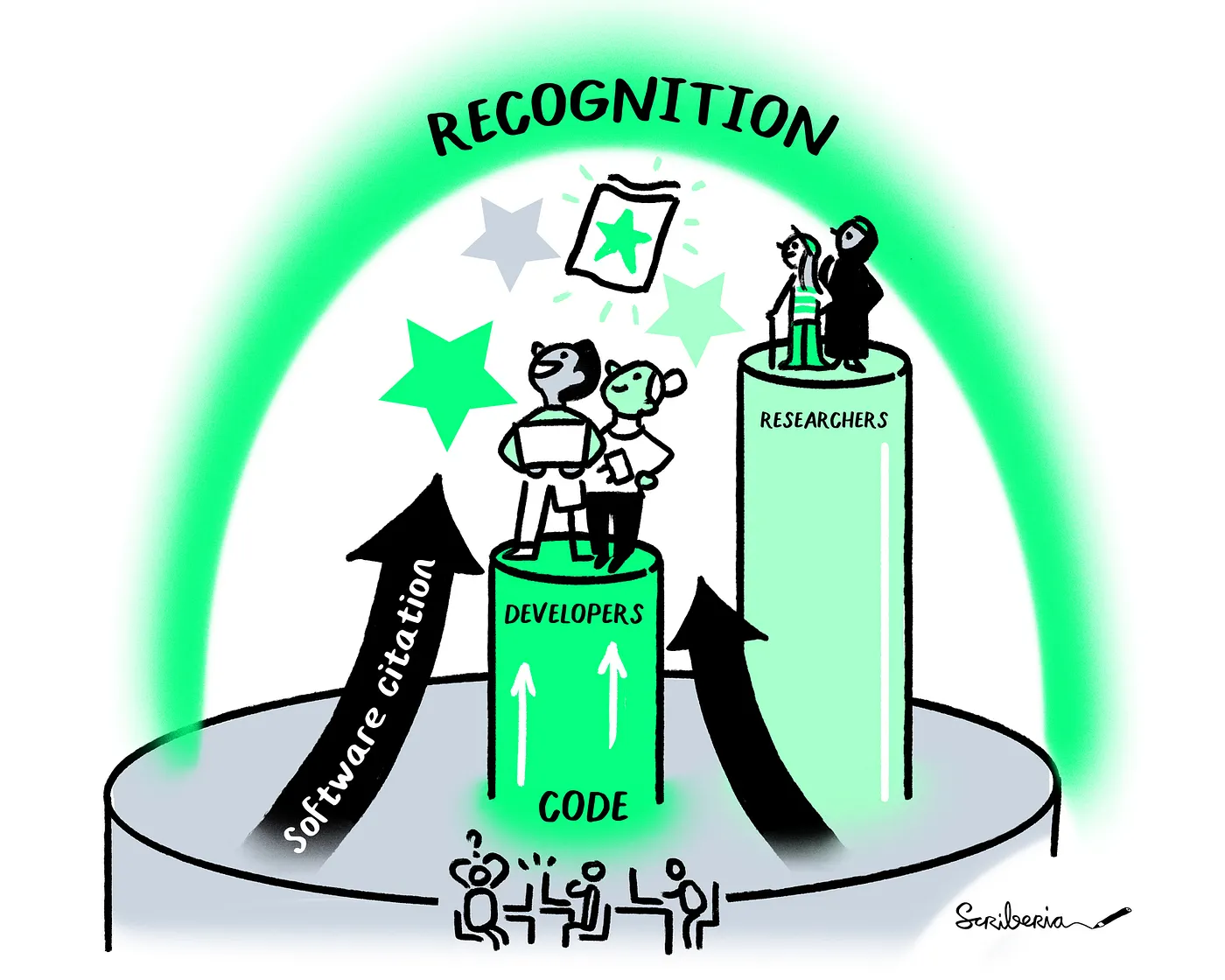
cffinit: NOW is the time to get more recognition for your software!
Netherlands eScience Center·Jul 23, 2020
Get up to speed with software sustainability — the WOSSS19 report and a look to the future
eScience
Peter Kalverla·Mar 25, 2020
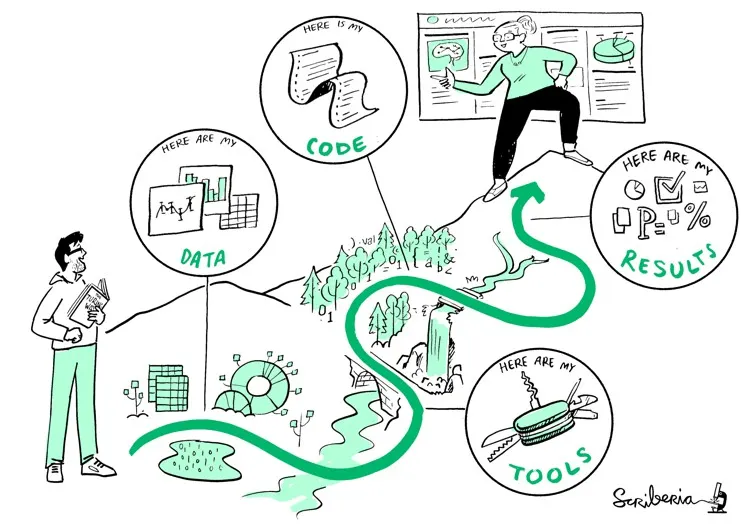
6 months of eScience: 6 lessons worth sharing
eScience Editorial Team·Dec 17, 2019
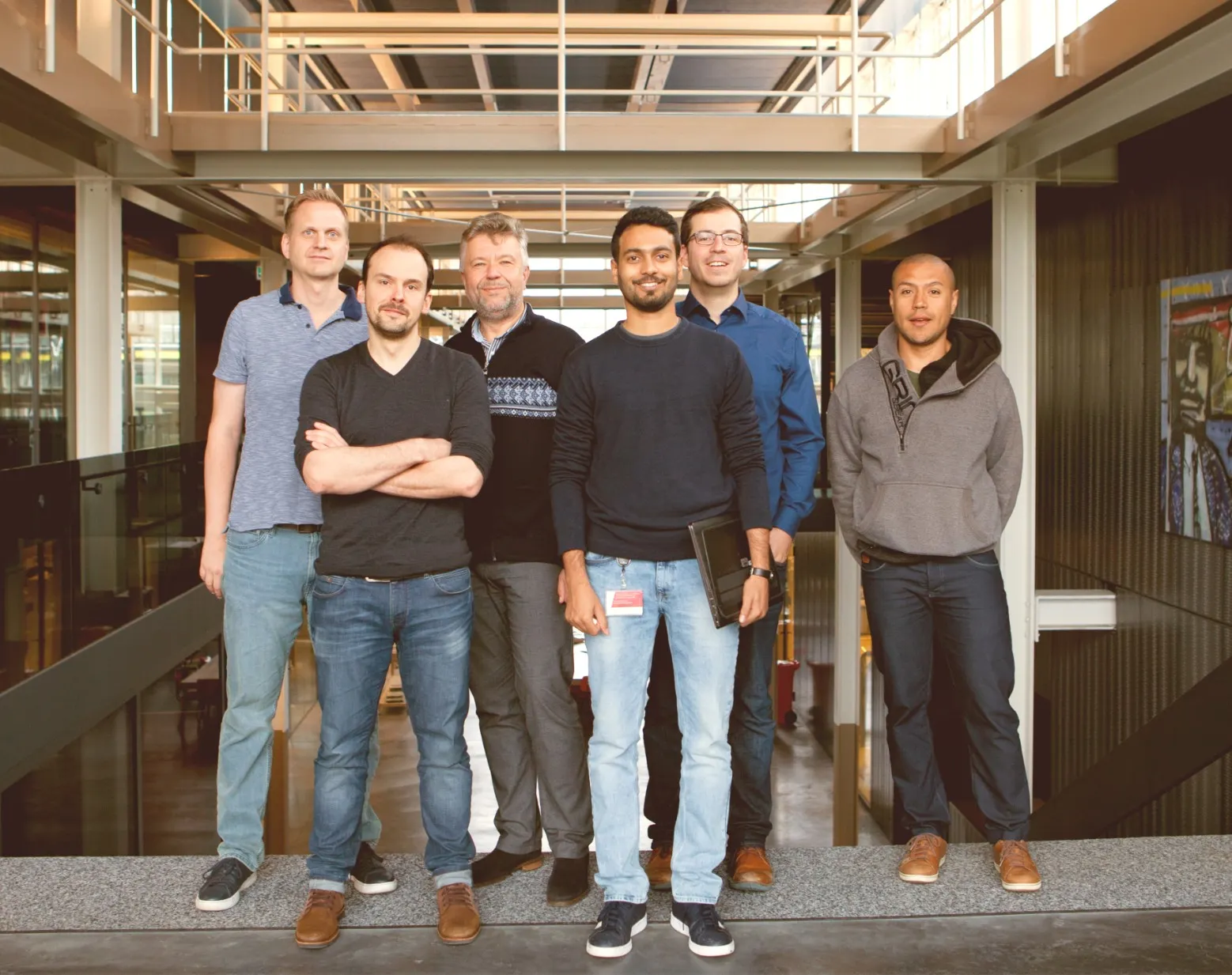
The success of reliable integration of renewable energy
Ben van Werkhoven·Dec 2, 2019
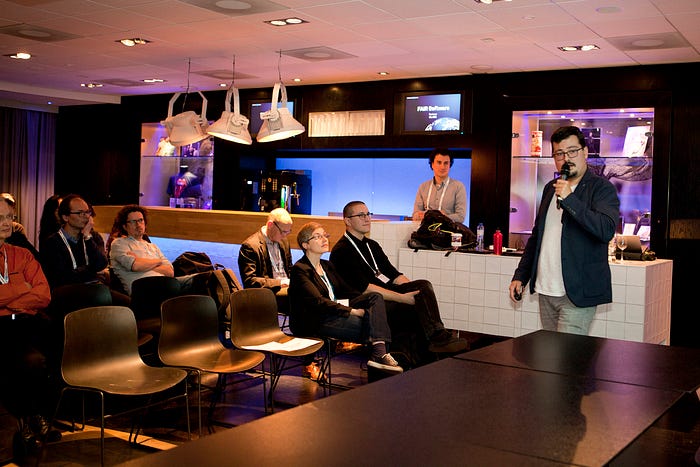
FAIR Software at the 2019 eScience Symposium
Johan Hidding·Jul 2, 2019
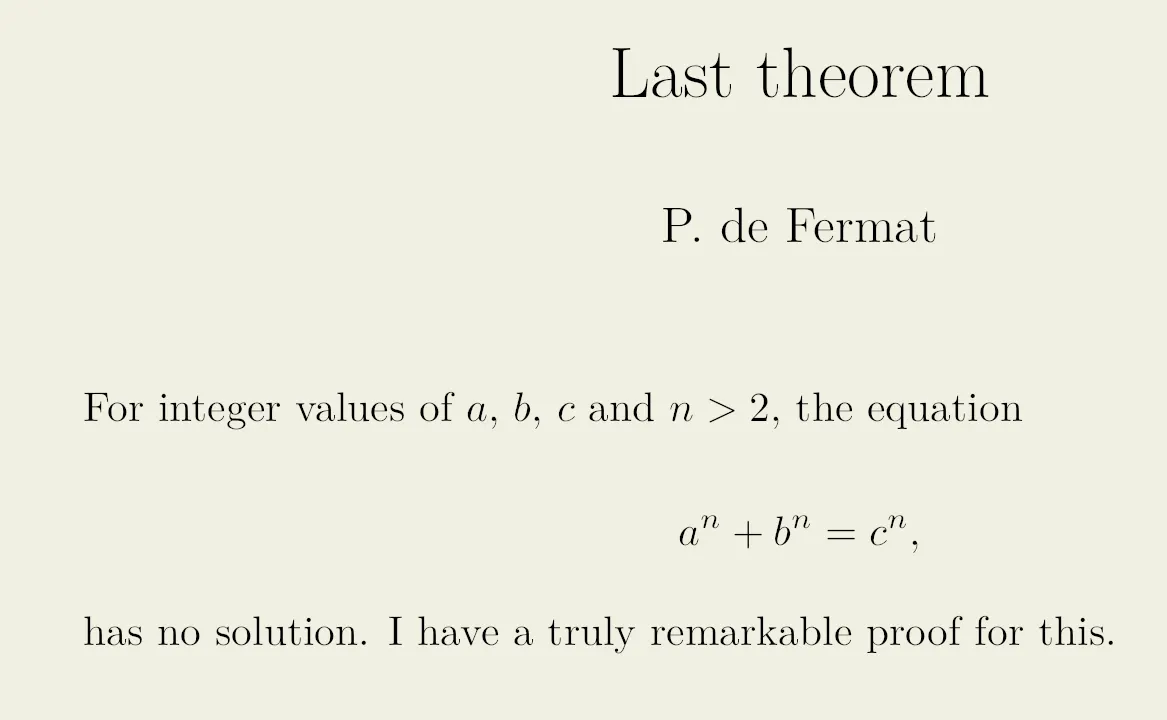
why all you’ll ever need is markdown
Jurriaan H. Spaaks·Dec 11, 2018
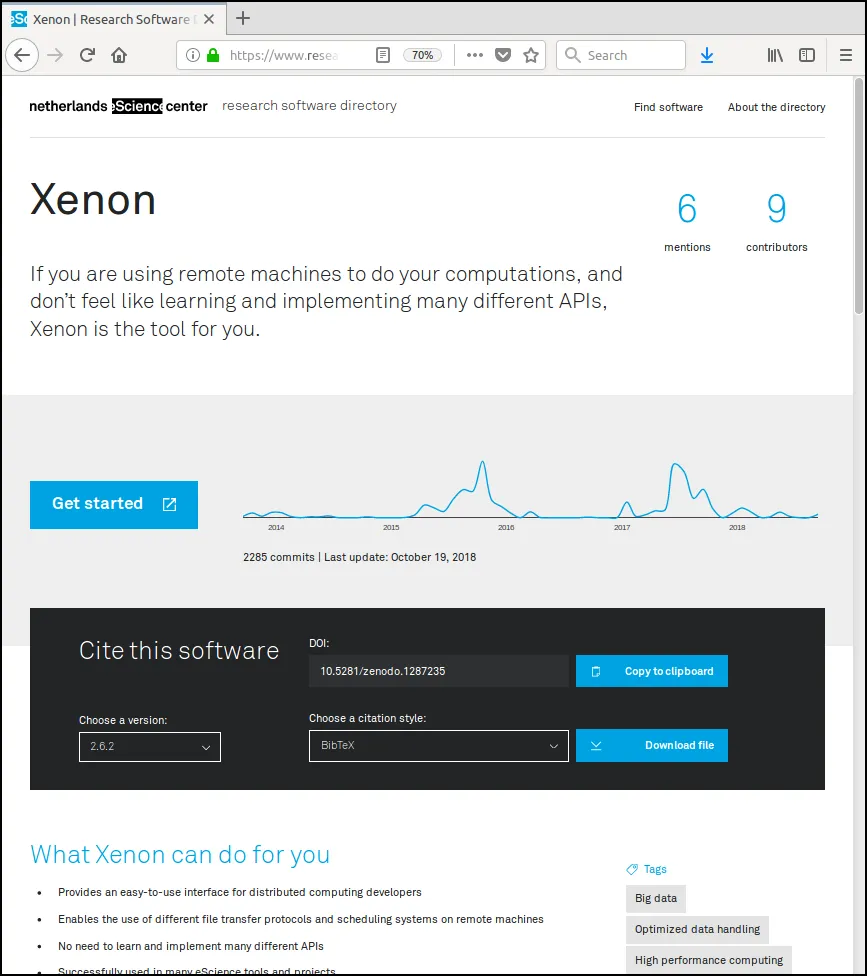
the research software directory and how it promotes software citation
eScience Editorial Team·Dec 3, 2018
how do we evaluate research software to meet different requirements
Maarten van Meersbergen·Jul 3, 2017
binge-watching science on youtube the good, the epic and the brilliant
Lourens Veen·May 23, 2017
a license to science
eScience Editorial Team·Apr 3, 2017
how can network analysis lead to a new way of studying court decisions